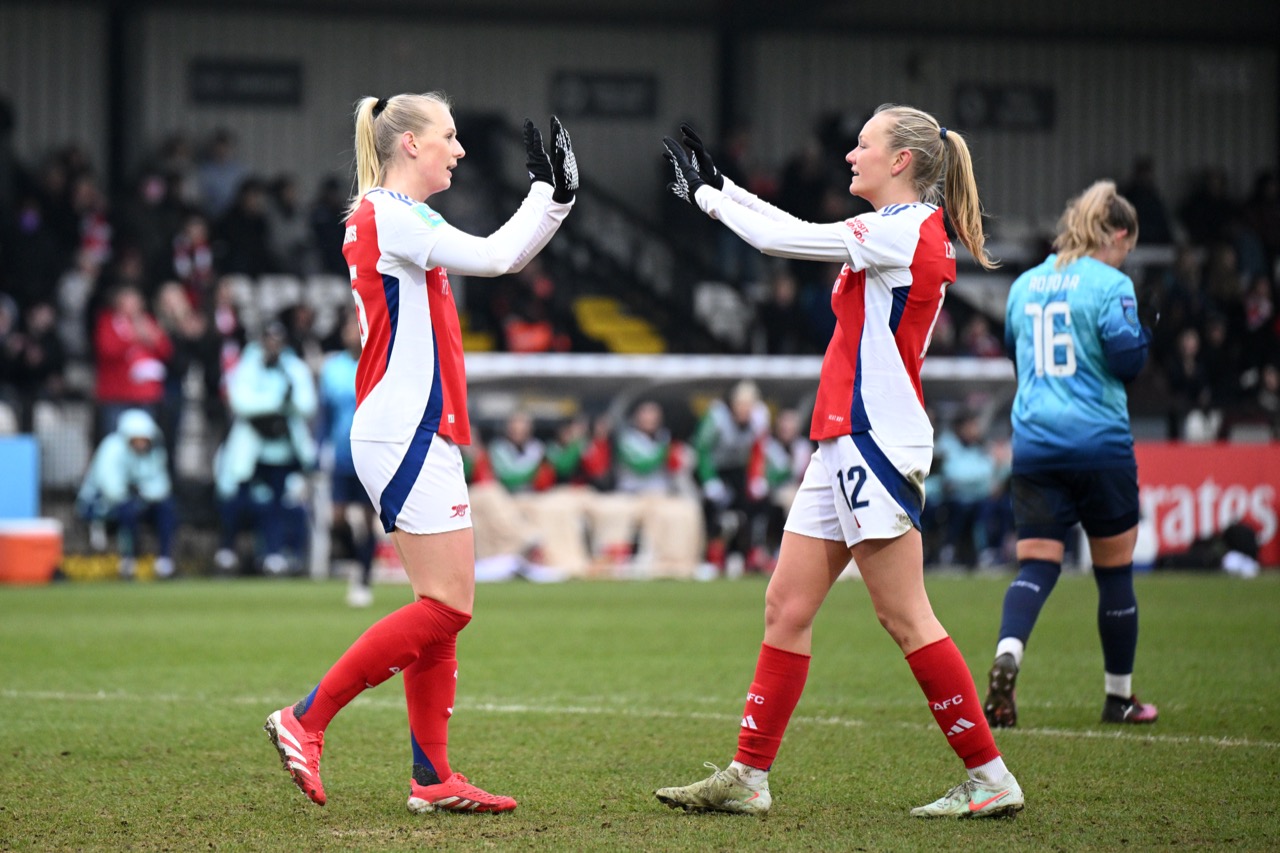
Getty Images: Justin Setterfield - The FA / Contributor
The Women's FA Cup, England's foremost domestic women's football cup competition, is a tournament filled with thrilling matches, incredible talent, and historic moments. From its inception, it has provided a platform for female athletes to showcase their skills and garner greater visibility in the sport. This trivia quiz is designed to test your knowledge about the Women's FA Cup, covering everything from its foundation, key players, and unforgettable finals. Whether you're a seasoned fan or new to the game, you'll find fascinating facts and challenging questions that will keep you engrossed as you explore the rich history of this prestigious competition. Grab a cup of metaphorical tea and put your knowledge of the Women's FA Cup to the test. Can you rise to the challenge and score like your favorite players? It's time to play!

How many teams participated in the Women's FA Cup in its inaugural year?
Which Women's FA Cup final is known for the largest attendance in history?

Which team holds the record for the most Women's FA Cup wins?

Who was the first female manager to win multiple Women's FA Cup titles?

Who won the first Women's FA Cup in 1971?

Who was the first goalkeeper to save a penalty in a Women's FA Cup final?

Which player scored the fastest goal in Women's FA Cup final history?

In what year was the Women's FA Cup first broadcast live on television?

Who was the first non-English team to win the Women's FA Cup?